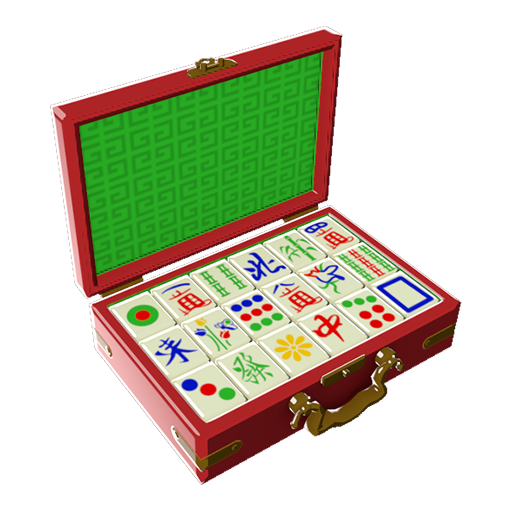
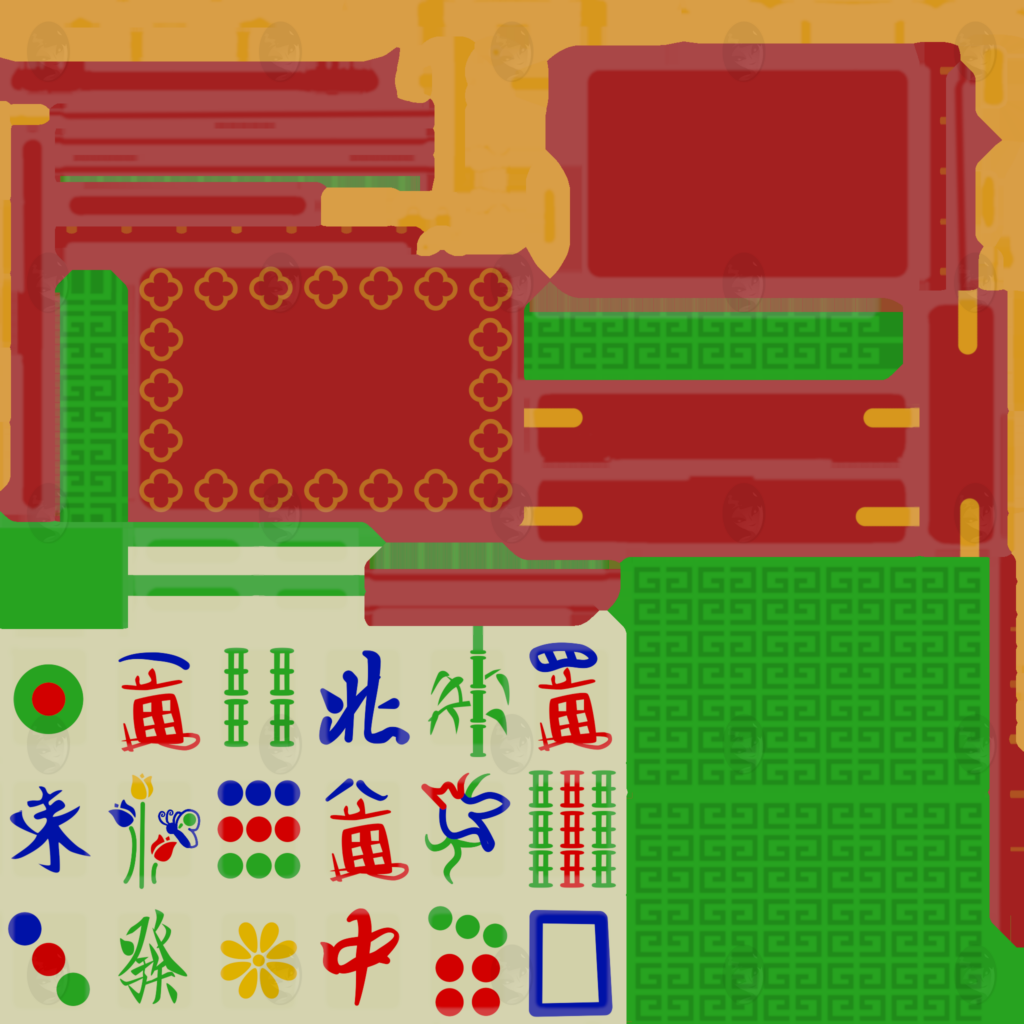
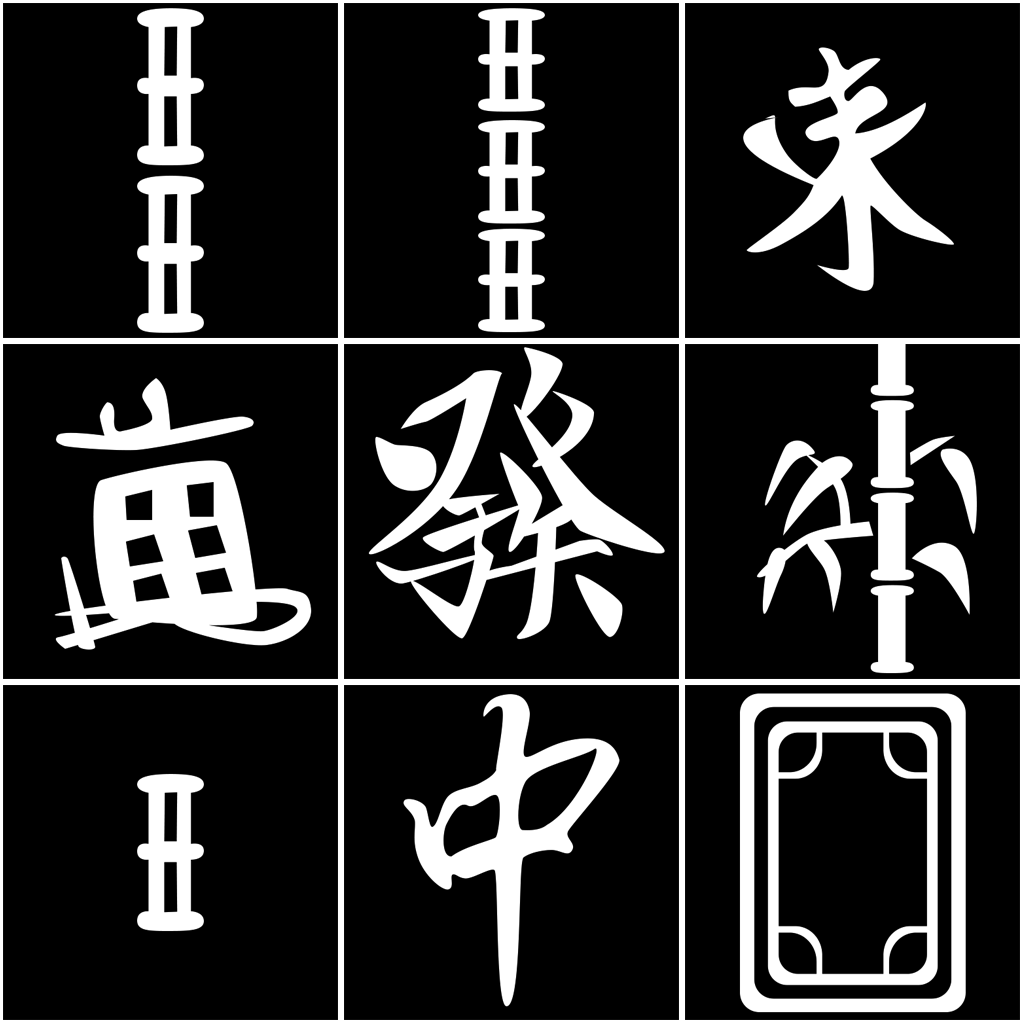
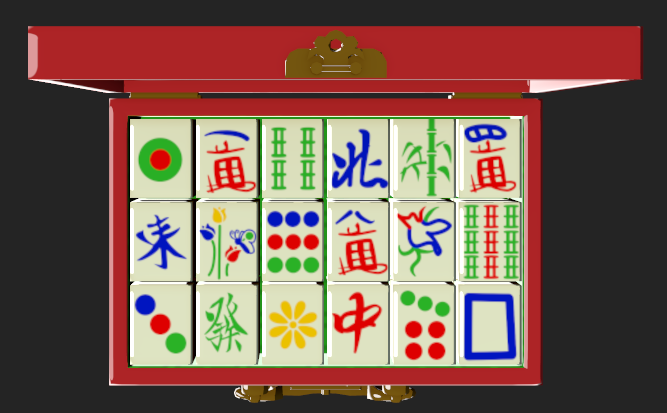
This mahjong set was recreated as a stylized, game-ready asset with a focus on traditional craftsmanship, clean vector illustration, and efficient PBR texturing. The project began with individually modeled tiles, each built as its own tall box to preserve the dimensional look of real carved bone or resin pieces. Every character, flower, and suit symbol was designed as a custom vector in Photoshop, allowing for crisp line variation and consistent stroke profiles across the entire set. These vectors were imported into Substance Painter as alpha shapes and applied using a combination of precise Path Tool strokes for controlled linework and brush-based detailing for the circular dot patterns.
Zoom in Individual Images for Detail
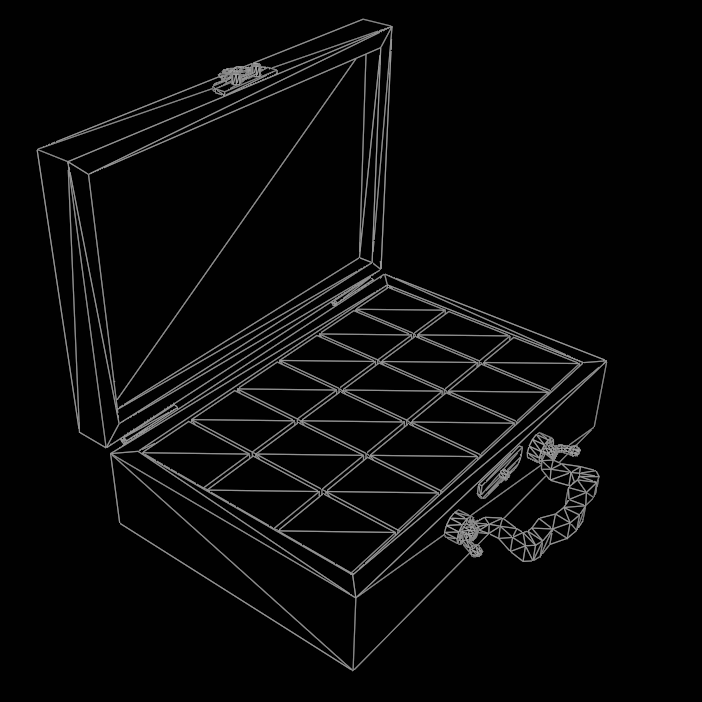
The case itself was built to reflect the proportions and hinge structure of physical mahjong travel boxes, including layered wood panels, reinforced corners, and small metal fasteners placed flush with the surface. Substance Painter was used to create the interior fabric lining, which was constructed from a blend of patterned alphas and procedural masks to simulate woven material without introducing a tiled texture. The exterior lacquered wood finish, gold trim, and metal hardware were all hand-painted with stylized albedo work, emphasizing shape readability and controlled saturation while keeping the roughness variations subtle for a cohesive look.
Zoom in Individual Images for Detail
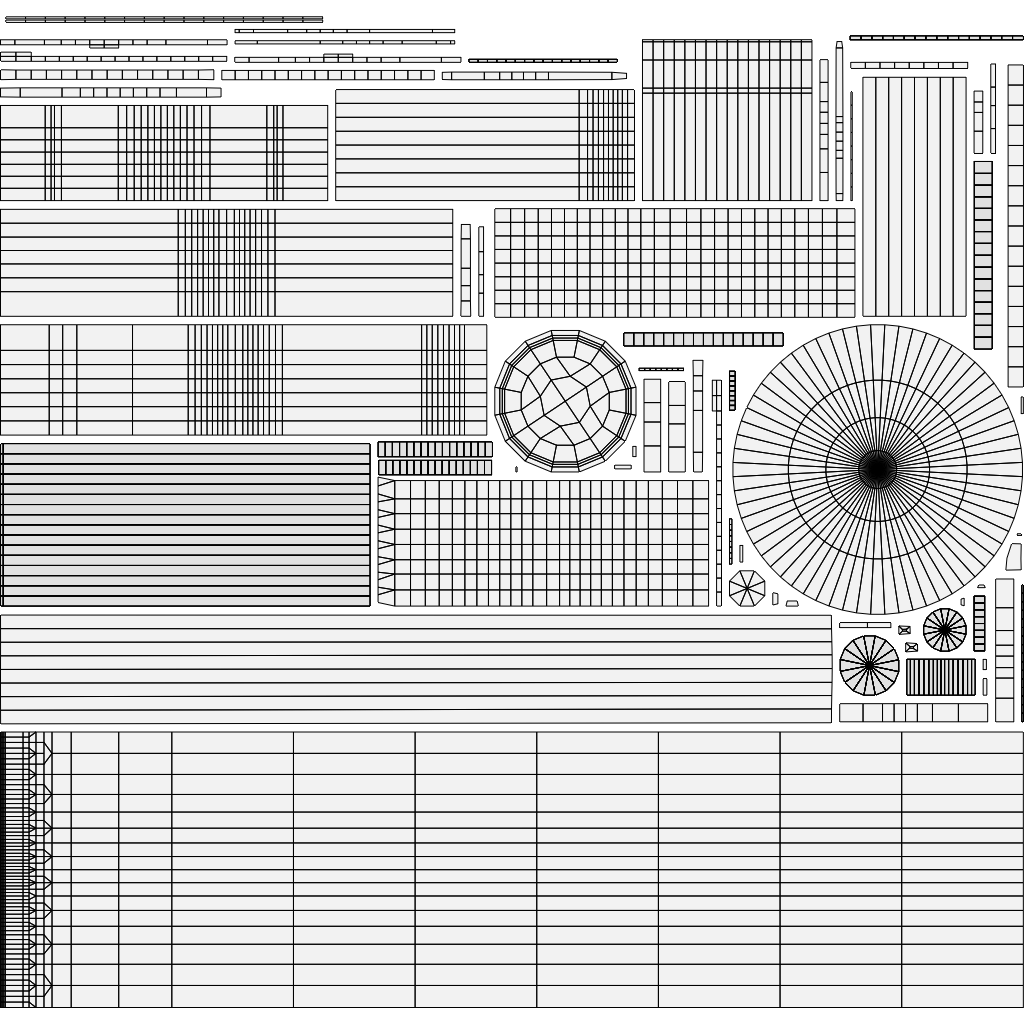
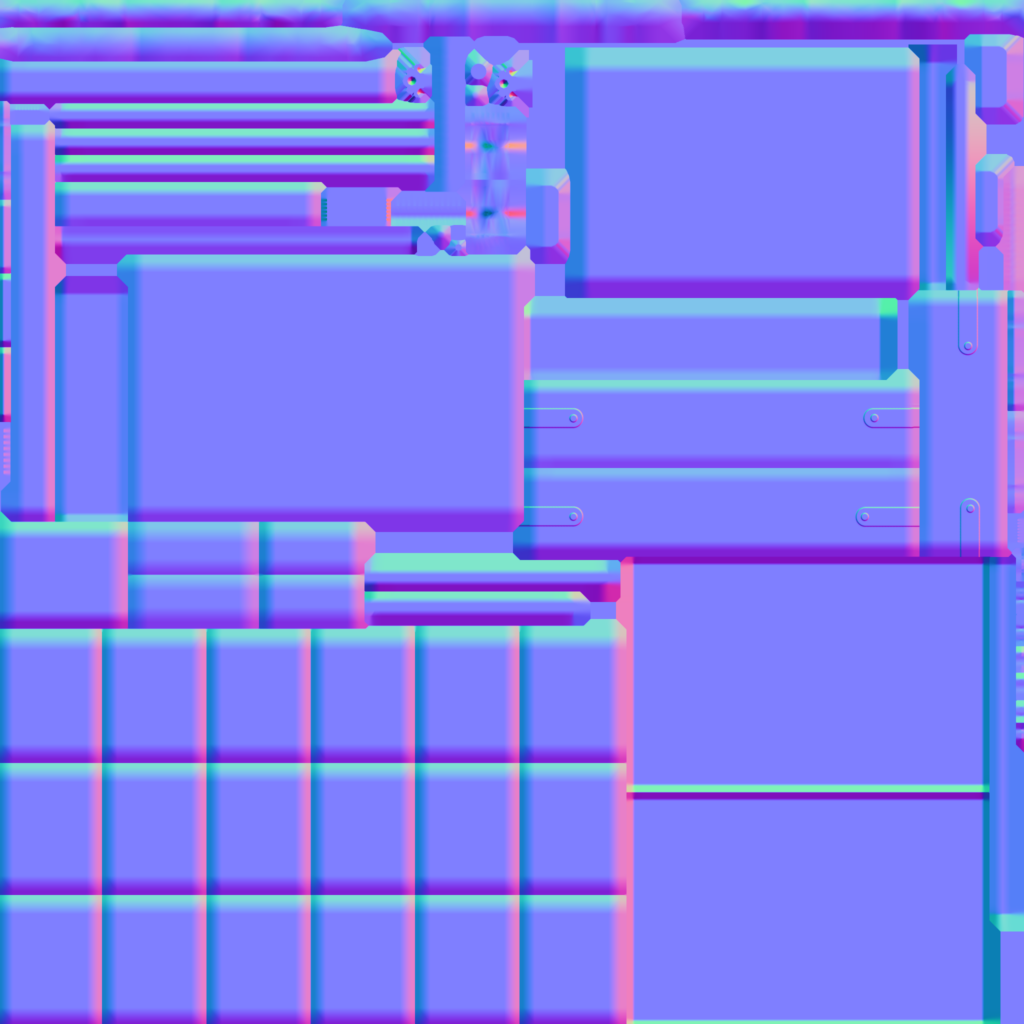
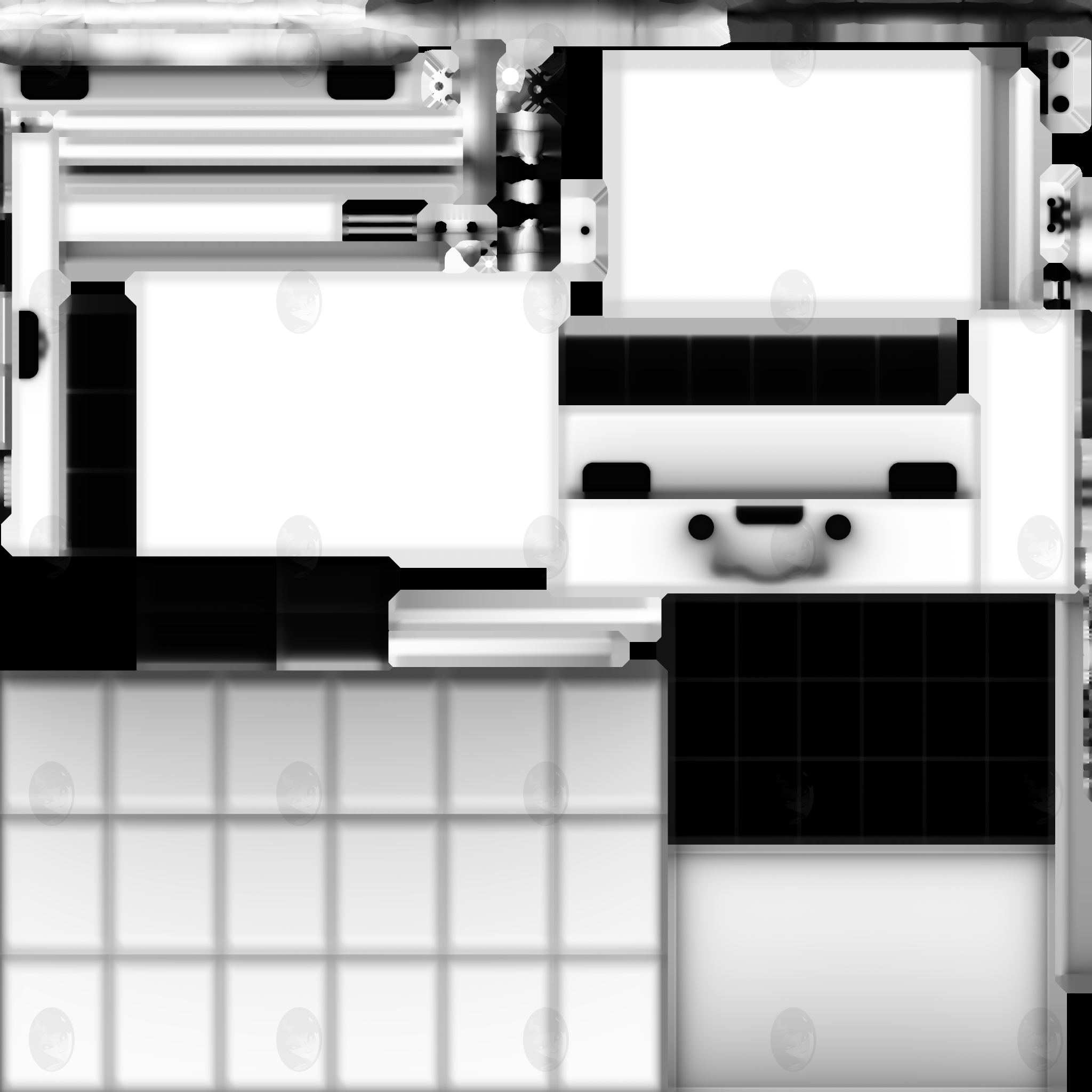
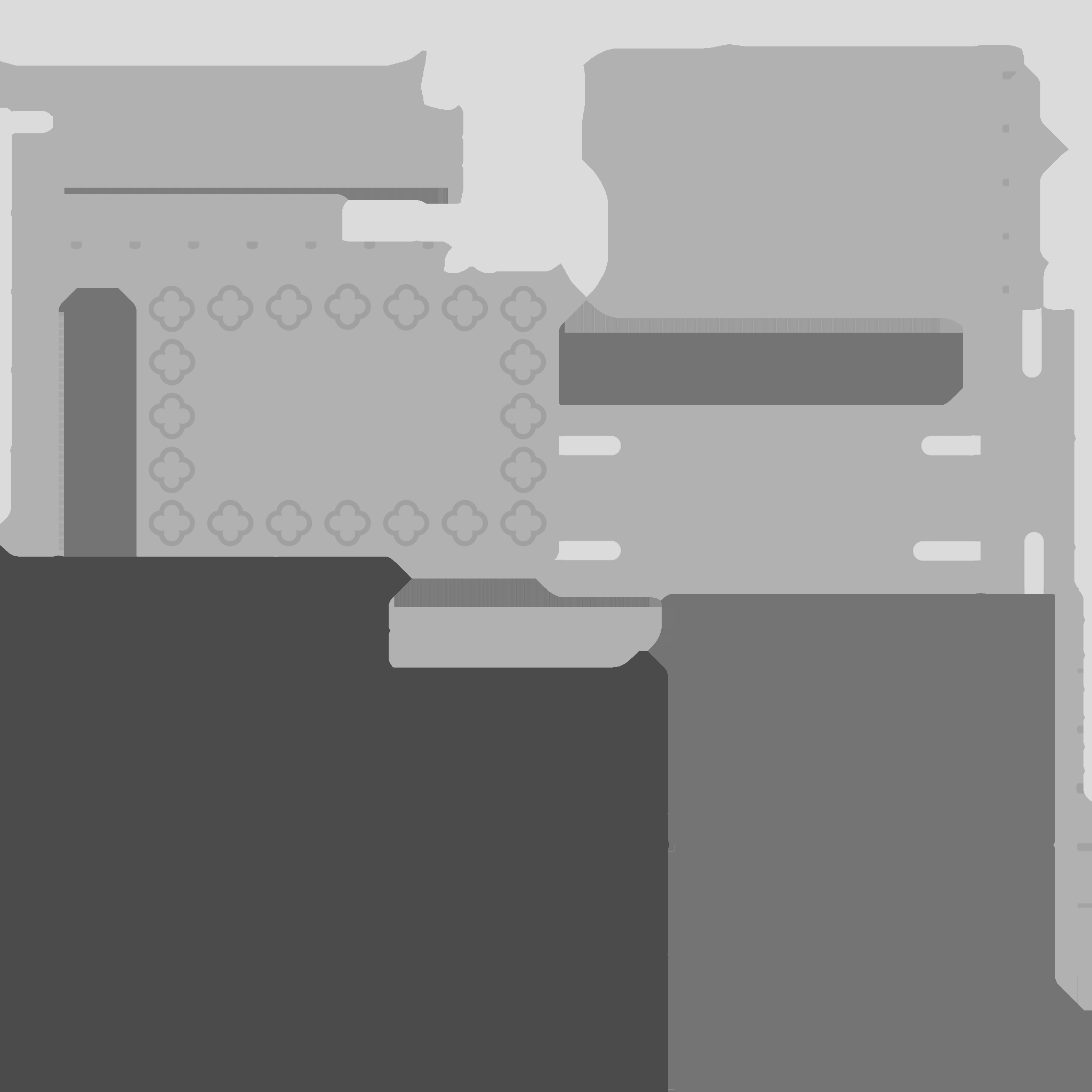
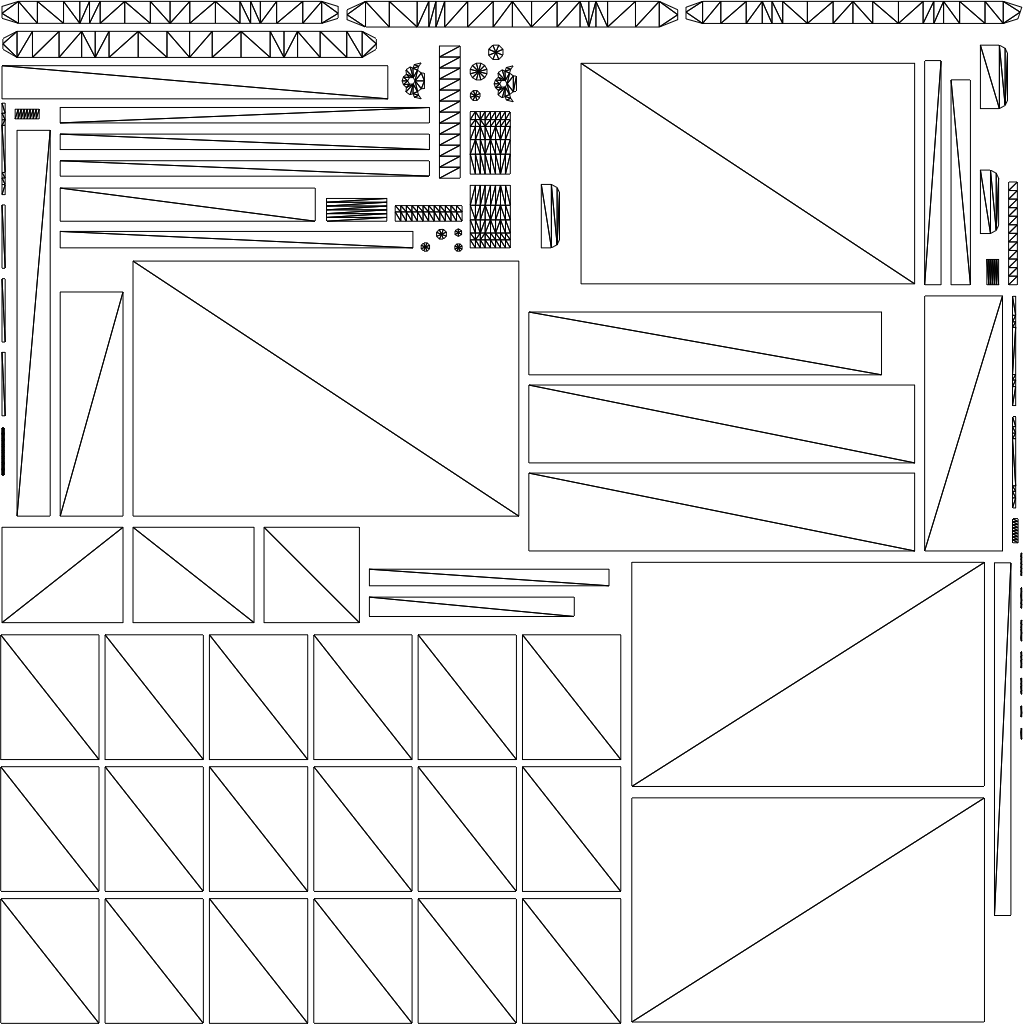
UVs were laid out using ZenUV and UVPackmaster Pro for clean, predictable organization. Tile shells were arranged in a structured grid to streamline texture work, while the case components were unfolded into straight, easy-to-paint islands with minimal distortion. The exported maps include albedo, normal, AO, and metallic/smoothness, all baked within Substance Painter. The normal map incorporates subtle bevels around tile edges and recessed grooves along the wood seams, adding tactile depth without increasing the triangle count.
Zoom in Individual Images for Detail
Although stylized, the set maintains a grounded sense of material layering: lacquered wood, brushed metal, fabric lining, and painted tile surfaces. The final asset is optimized for real-time performance with efficient geometry and carefully packed UVs, blending vector-based design, controlled hand-painting, and practical PBR workflow choices into a polished hero prop that reads well both close-up and in gameplay.