
Tag: pbr

  • Heart-Shaped Candy Box

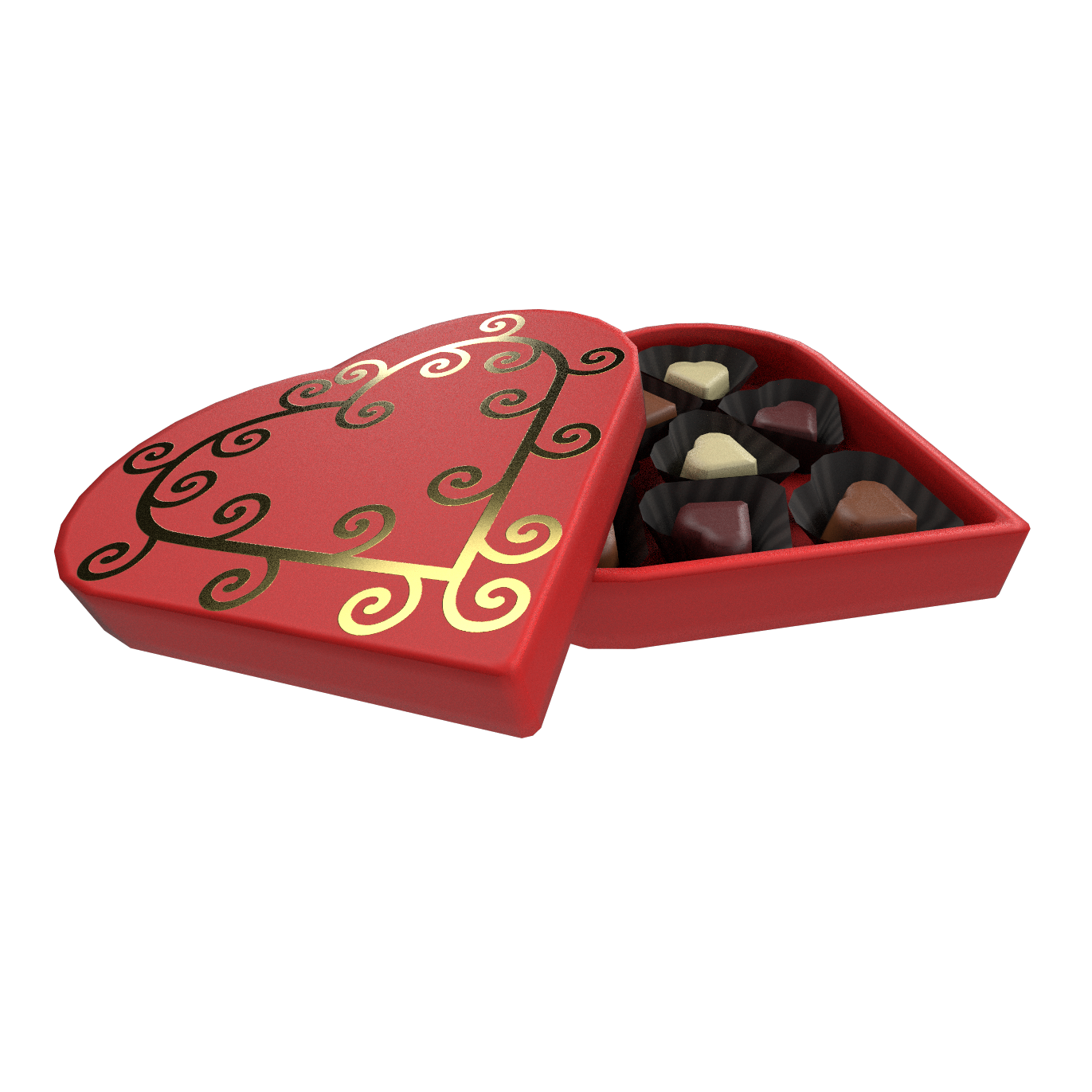
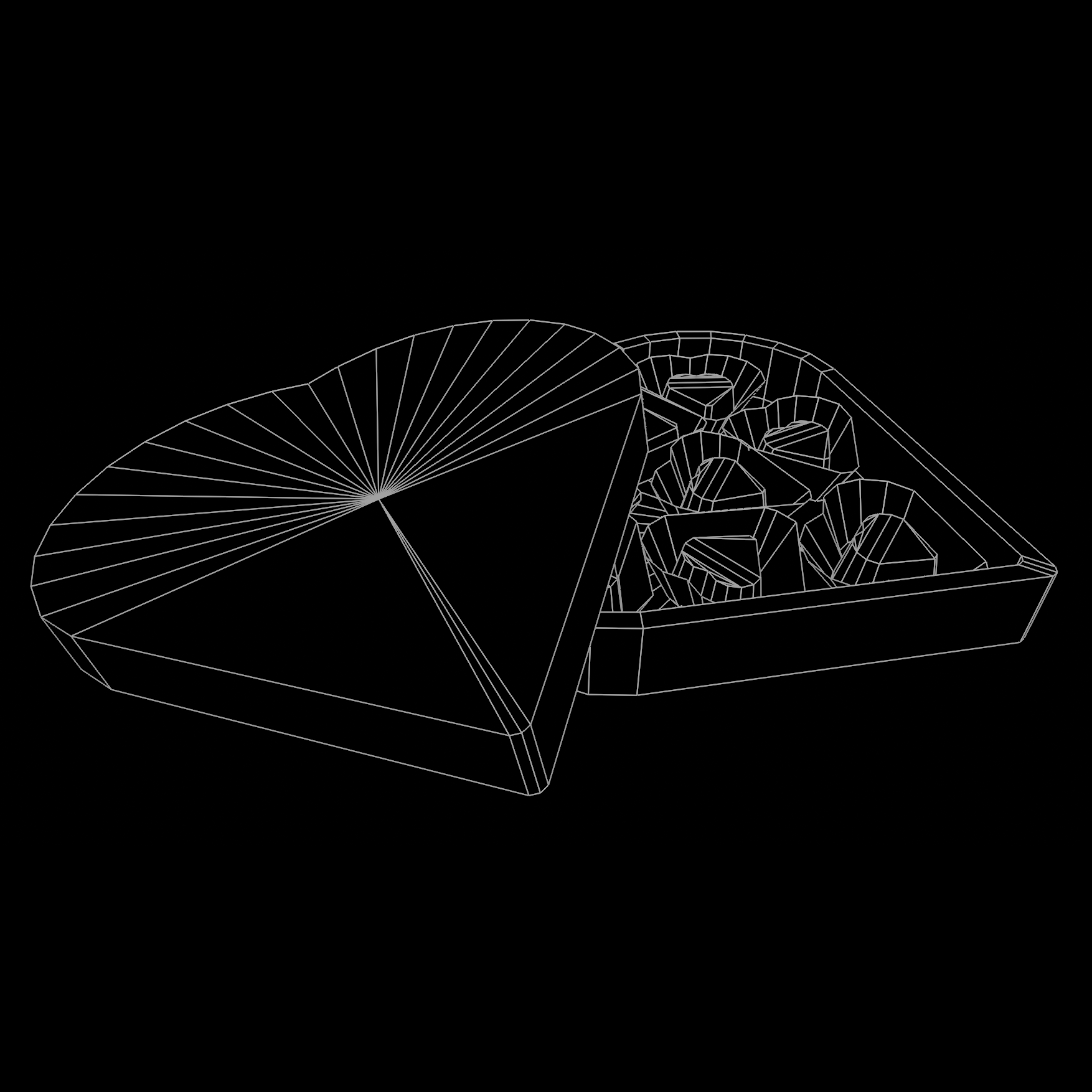
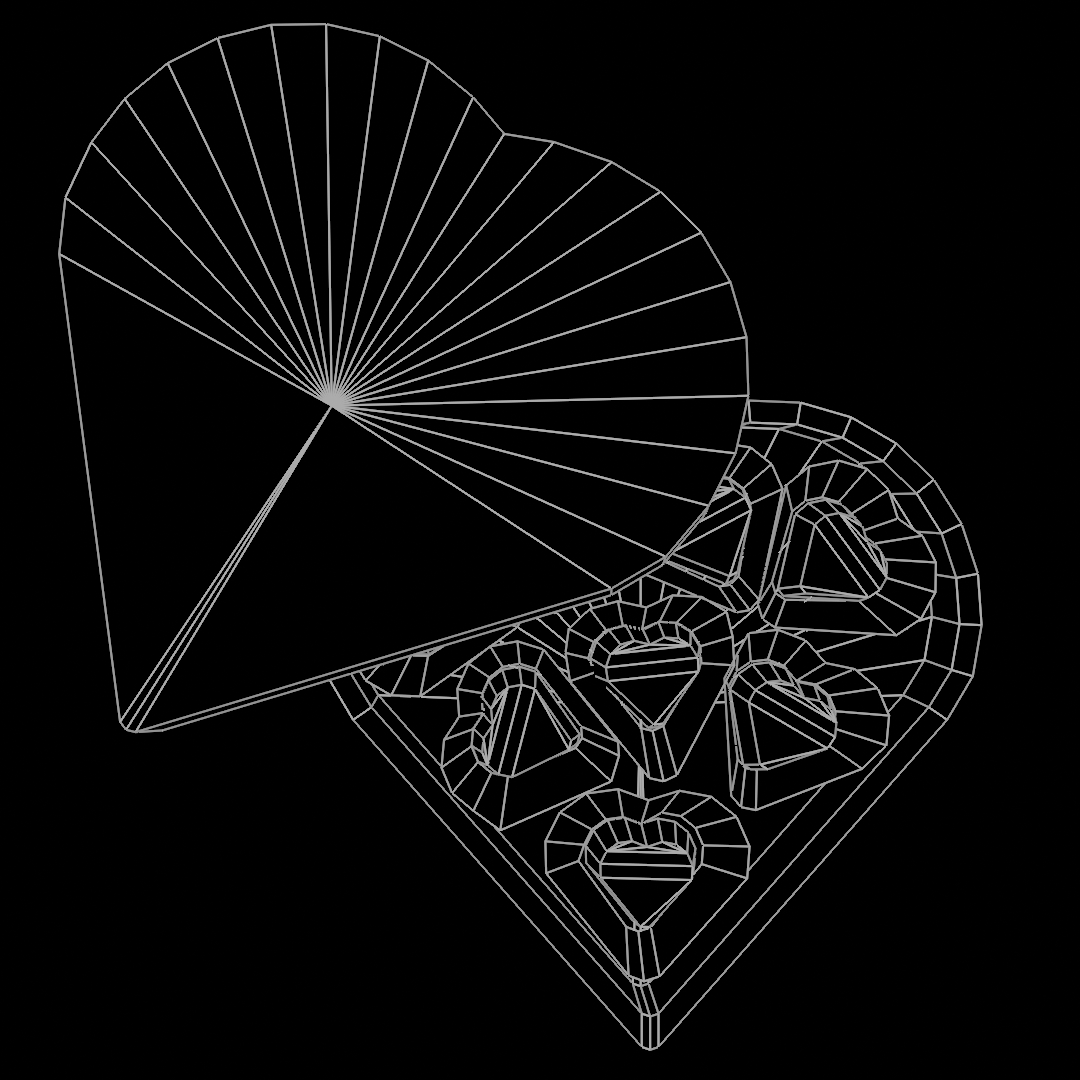
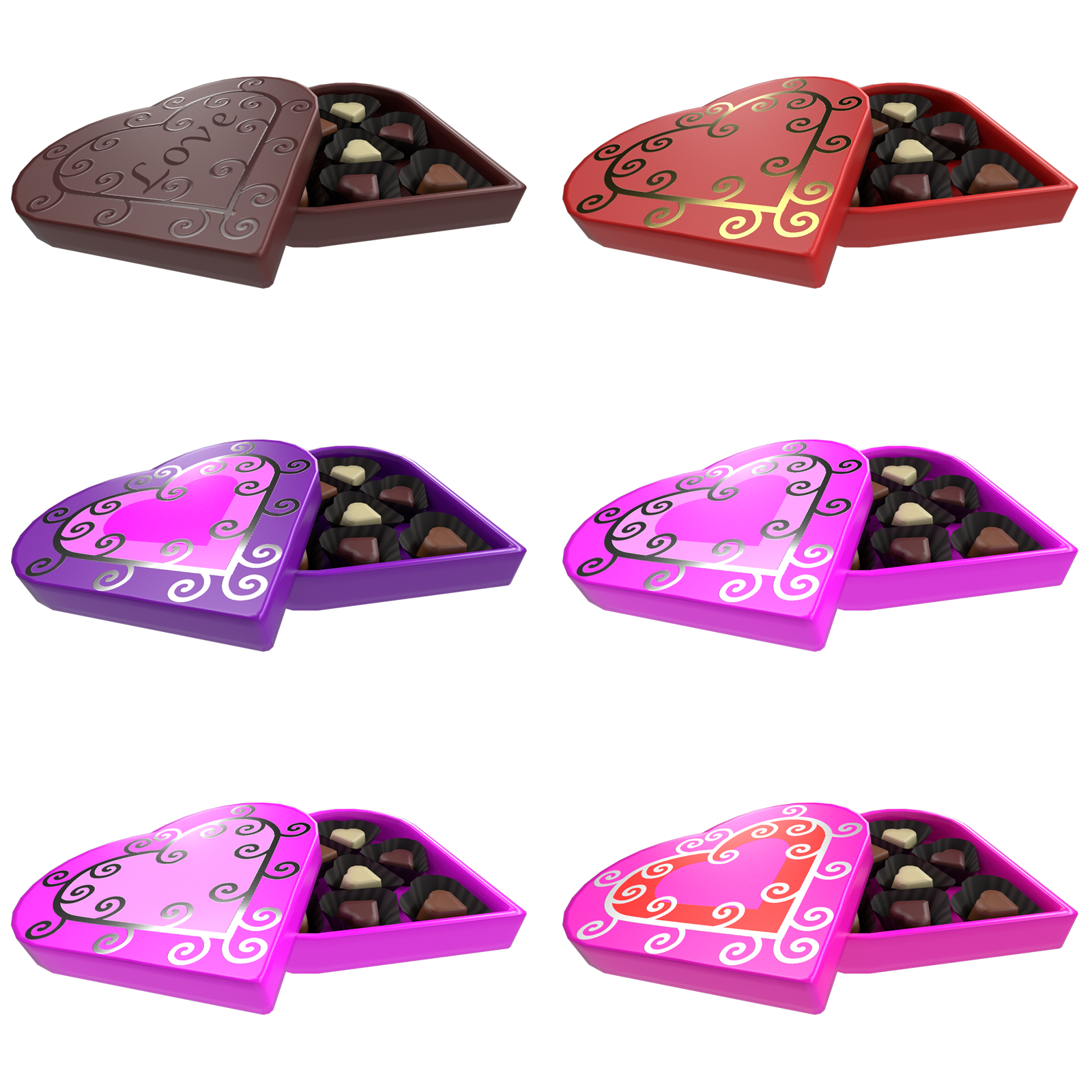
    This heart shaped chocolate box was created as a game asset for Proxi, an unshipped title from Gallium Studios. The goal was to make a prop that reads clearly at game distance, holds up in close ups, and stays efficient for real time use.

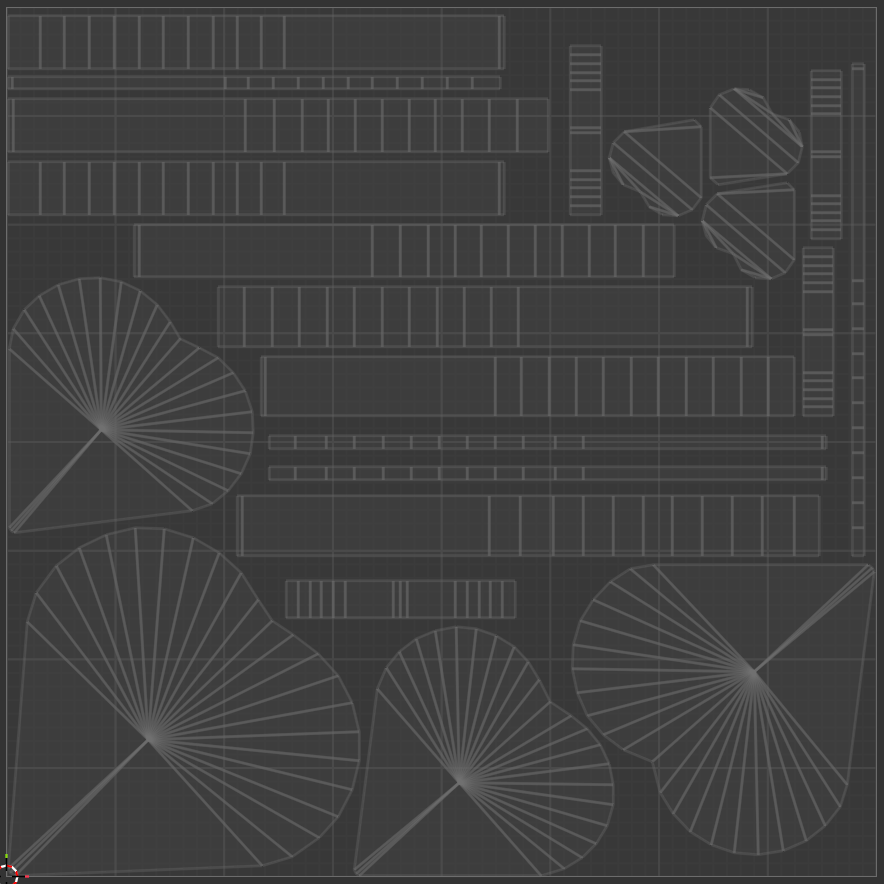
    The model was built in Maya. UVs were handled across Maya and Blender during iteration, which kept the layout flexible while I refined the mesh and texture targets.

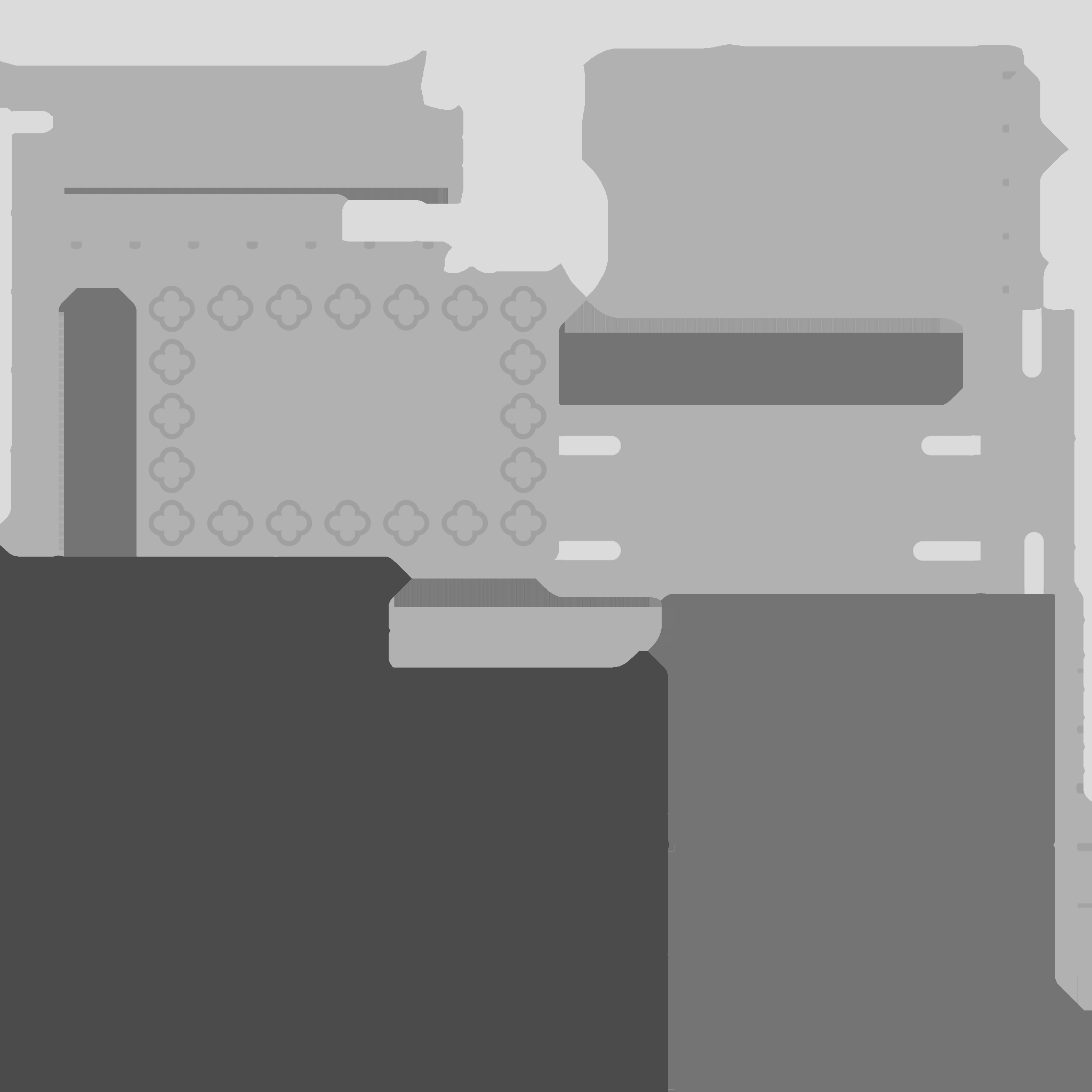
    Most of the visual identity comes from the decorative lid treatment and the paper elements. I recreated the lid scrollwork in Adobe Photoshop using vector artwork to keep the curves crisp, then brought it into Adobe Substance Painter for final texturing. I also created the heart graphics in Photoshop and applied them as alpha channels in Substance Painter for consistent placement and sharp edges. Each layer stacks with ability to toggle cutouts for the cutouts for them on the layers stacked below to avoid any overlapping normals.especially where scrollwork is used.

    The model is baked for AO and supporting maps, then refined with curvature driven layers to enhance definition. The wave detail on the paper cups was created using a curvature based layer with an alpha texture to form the repeating ridges without adding heavy geometry.

    The paper cups have no bottoms to save polygons. To preserve the look of separate cup bases, I painted the cup bottoms directly onto the box surface in an additional Substance Painter layer, which also allowed independent material control without increasing mesh complexity.

    • Maya (modeling)
    • Maya and Blender (UV mapping and iteration)
    • Adobe Photoshop (vector scrollwork, heart graphics)
    • Adobe Substance Painter (bakes, alphas, curvature detail, layered texturing)
  • Mahjong Set

    Mahjong Set

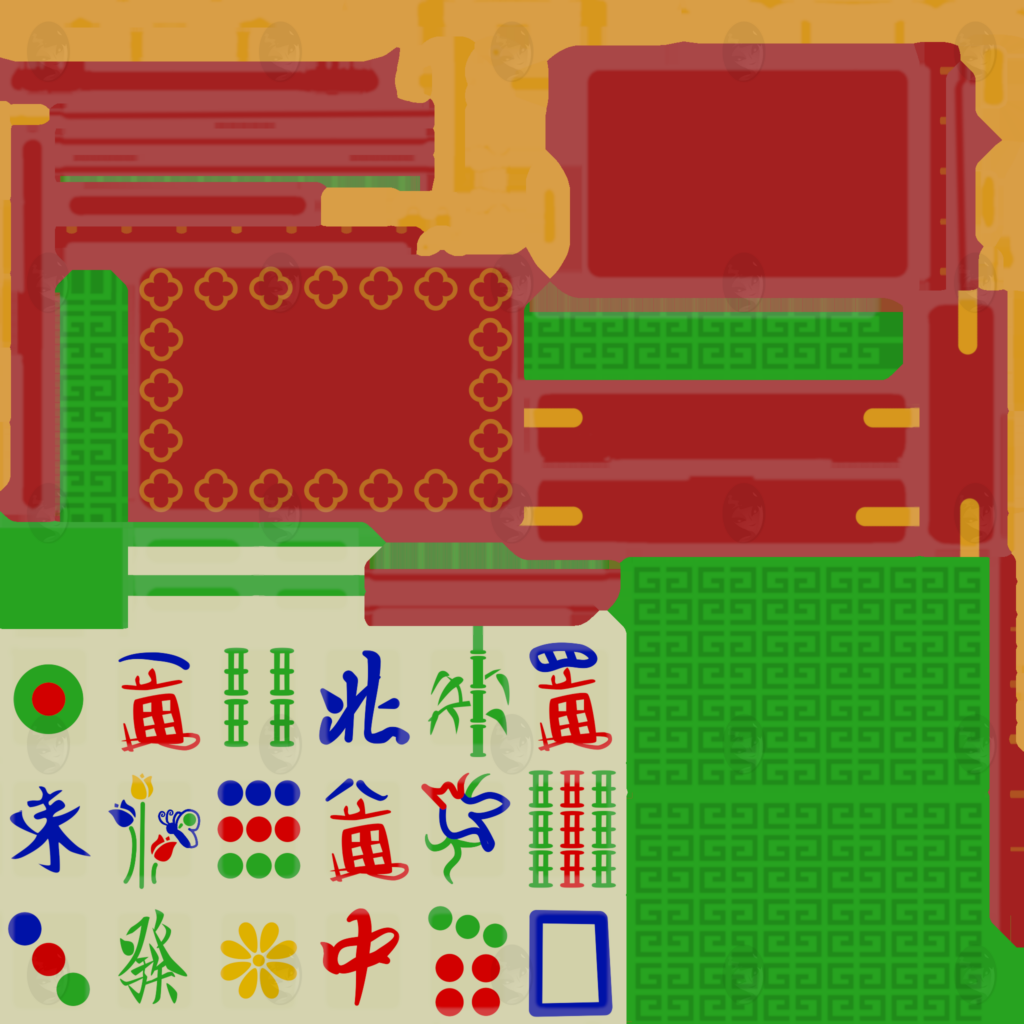
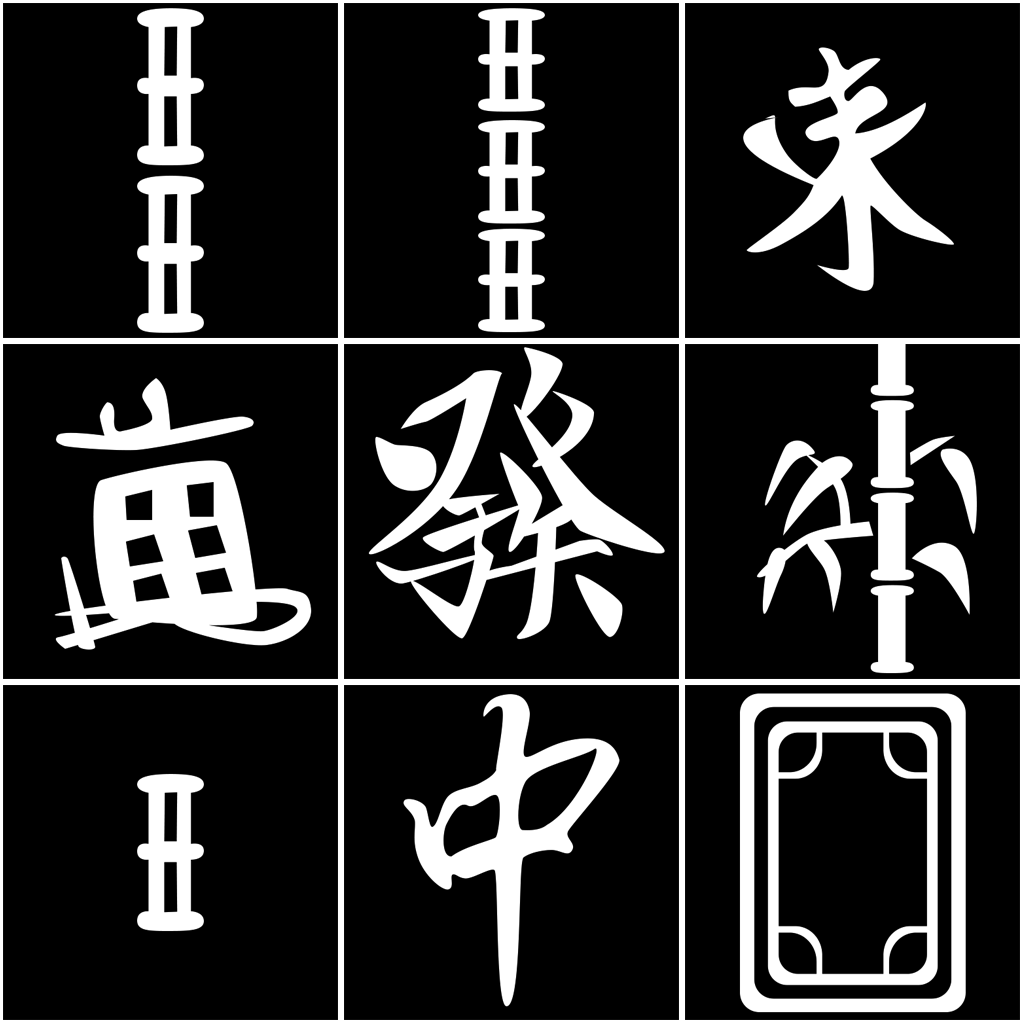
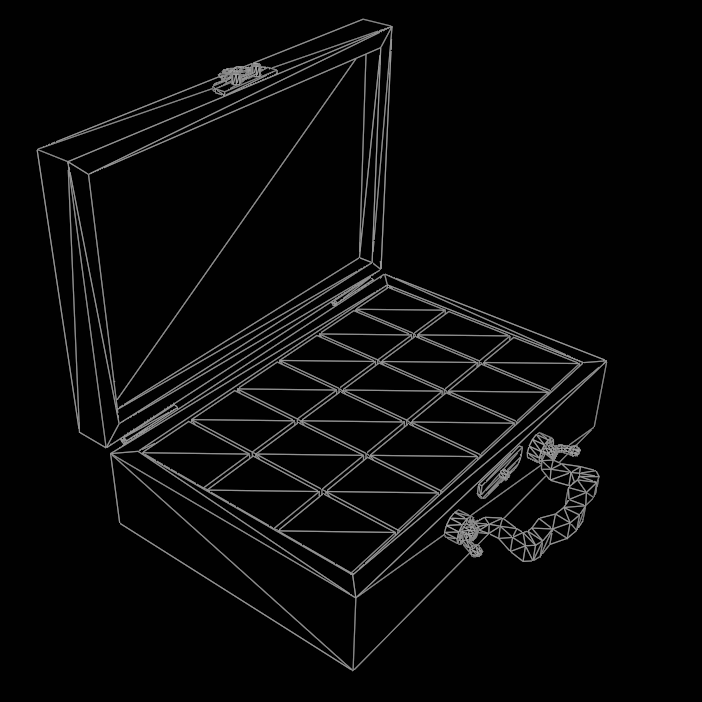
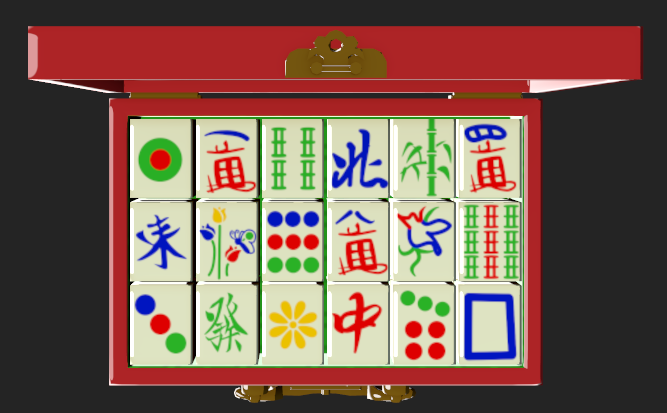
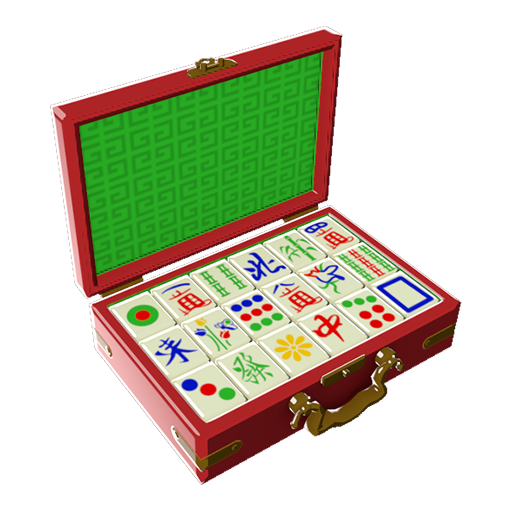
    This mahjong set was recreated as a stylized, game-ready asset with a focus on traditional craftsmanship, clean vector illustration, and efficient PBR texturing. The project began with individually modeled tiles, each built as its own tall box to preserve the dimensional look of real carved bone or resin pieces. Every character, flower, and suit symbol was designed as a custom vector in Photoshop, allowing for crisp line variation and consistent stroke profiles across the entire set. These vectors were imported into Substance Painter as alpha shapes and applied using a combination of precise Path Tool strokes for controlled linework and brush-based detailing for the circular dot patterns.

    The case itself was built to reflect the proportions and hinge structure of physical mahjong travel boxes, including layered wood panels, reinforced corners, and small metal fasteners placed flush with the surface. Substance Painter was used to create the interior fabric lining, which was constructed from a blend of patterned alphas and procedural masks to simulate woven material without introducing a tiled texture. The exterior lacquered wood finish, gold trim, and metal hardware were all hand-painted with stylized albedo work, emphasizing shape readability and controlled saturation while keeping the roughness variations subtle for a cohesive look.

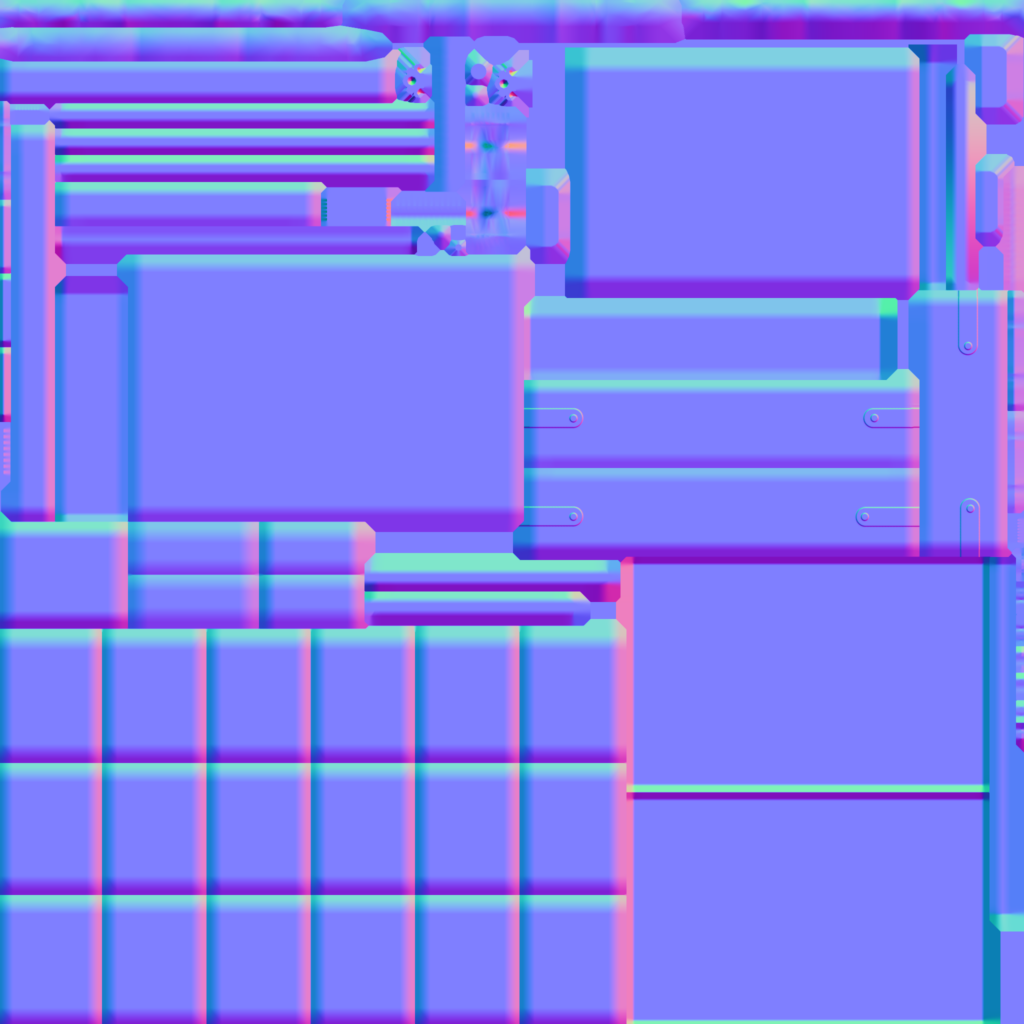
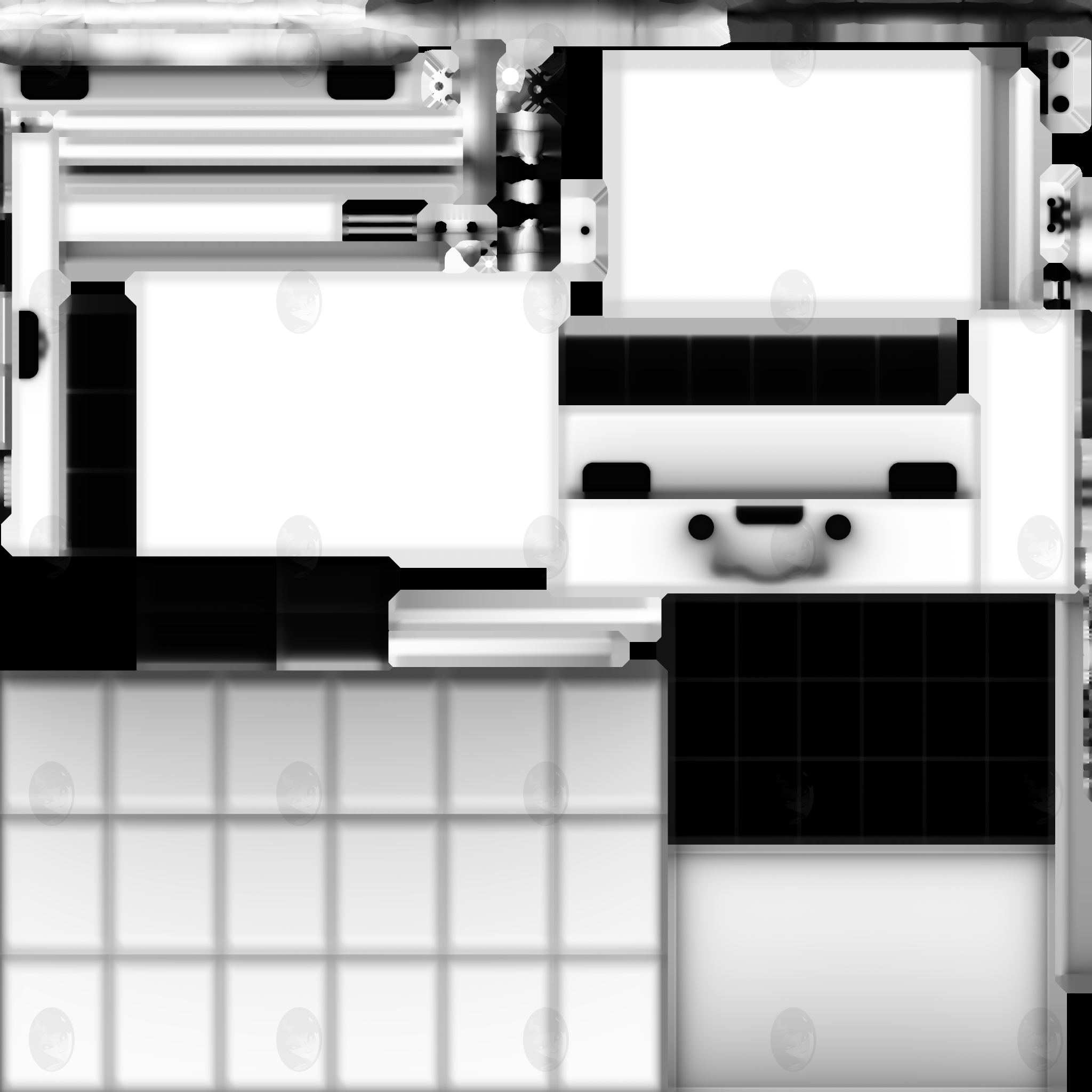
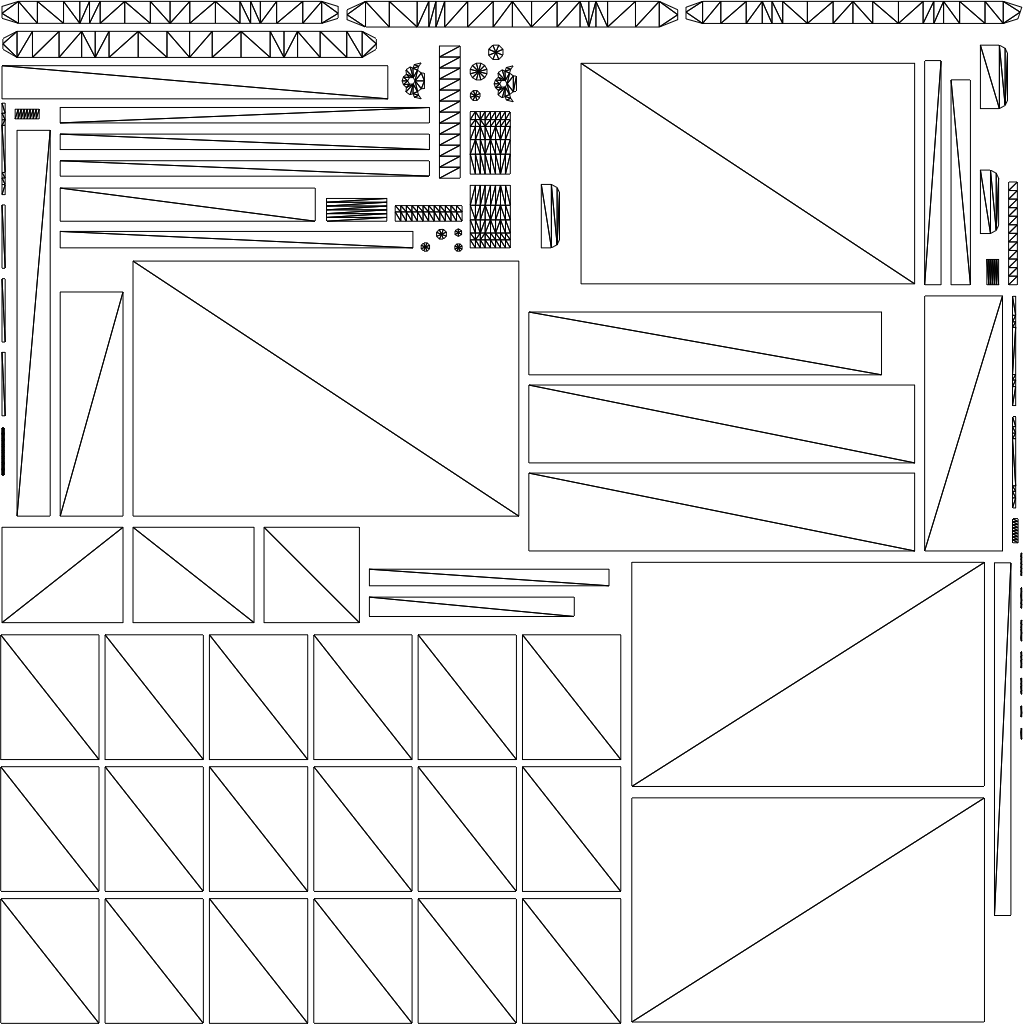
    UVs were laid out using ZenUV and UVPackmaster Pro for clean, predictable organization. Tile shells were arranged in a structured grid to streamline texture work, while the case components were unfolded into straight, easy-to-paint islands with minimal distortion. The exported maps include albedo, normal, AO, and metallic/smoothness, all baked within Substance Painter. The normal map incorporates subtle bevels around tile edges and recessed grooves along the wood seams, adding tactile depth without increasing the triangle count.

    Although stylized, the set maintains a grounded sense of material layering: lacquered wood, brushed metal, fabric lining, and painted tile surfaces. The final asset is optimized for real-time performance with efficient geometry and carefully packed UVs, blending vector-based design, controlled hand-painting, and practical PBR workflow choices into a polished hero prop that reads well both close-up and in gameplay.

  • Trumpet

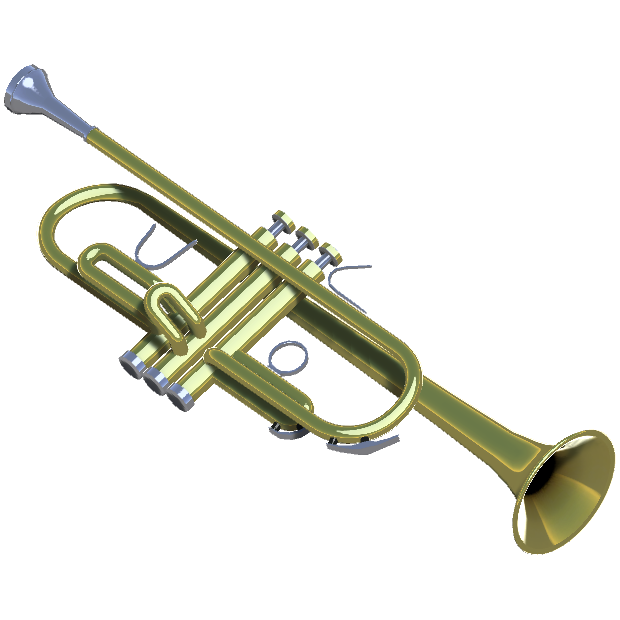
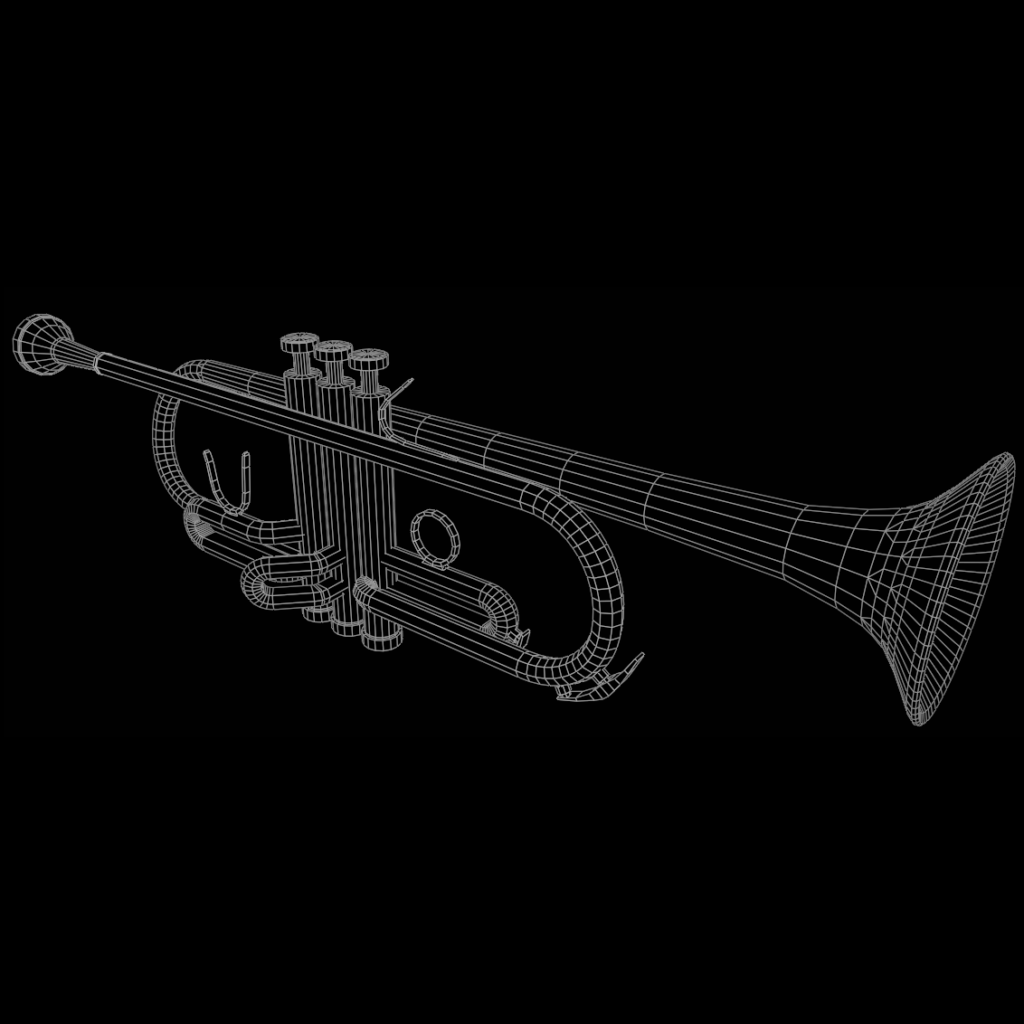
    Crafted with precision in Blender, utilizing its advanced bridging tools to seamlessly create the complex U-bends and cylindrical transitions that define the trumpet’s geometry. Clean topology was a priority throughout the modeling process to ensure predictable shading and efficient UV allocation.

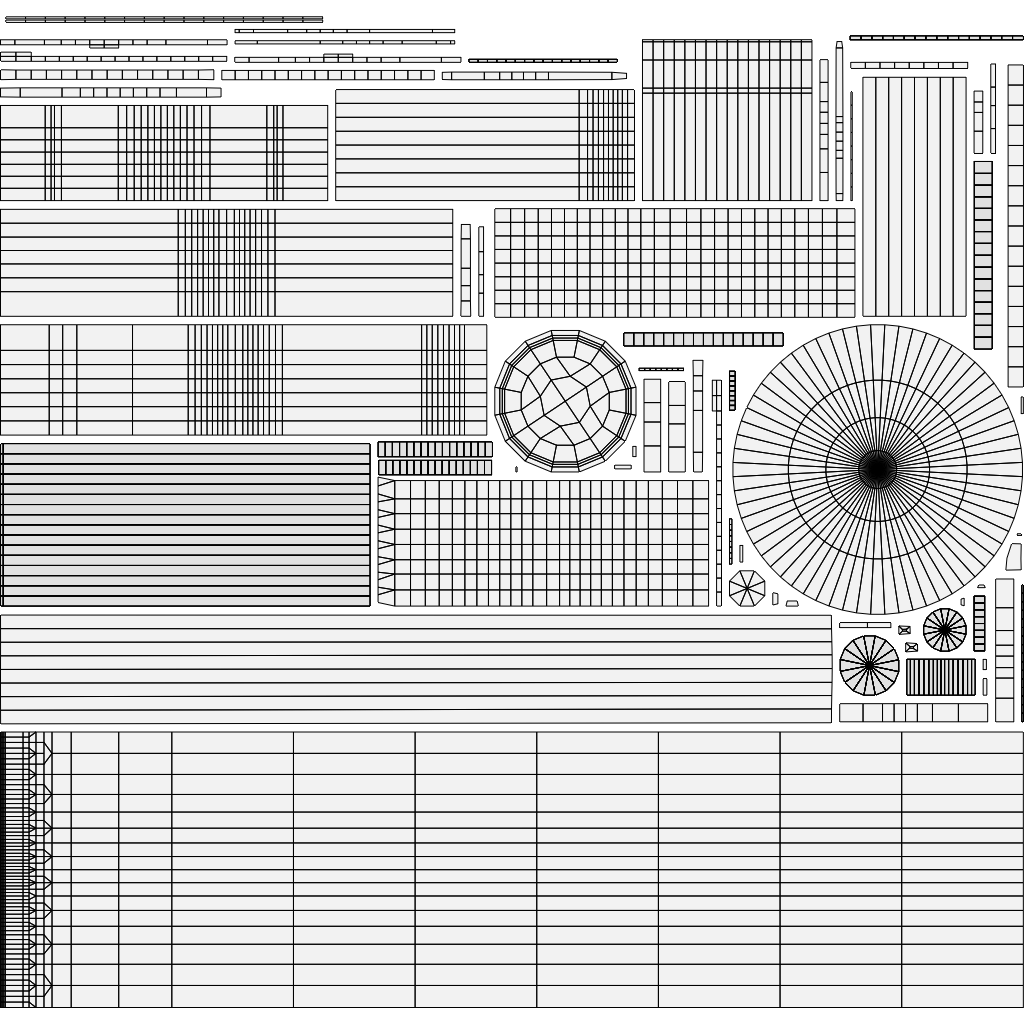
    UVs were created using ZenUV, which allowed for fast, controlled unwraps with consistent texel density across curved and straight sections. UVPackmaster Pro was used to finalize the layout, maximizing texture space and producing a highly optimized UV map suitable for both bakes and real-time use.

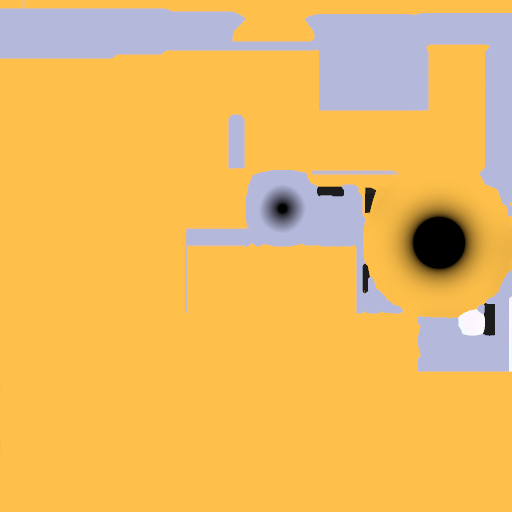
    The high-poly and low-poly models were baked in Substance Painter, where curvature, ambient occlusion, and normal maps were generated to reinforce the instrument’s form. I also created a custom gradient mask to deepen the interior of the bell and the mouthpiece, enhancing depth without requiring additional geometry.

    The final asset was optimized for Unity, with maps exported in a real-time friendly PBR configuration. This ensured clean reflections, accurate metal response, and stable performance in-engine while maintaining the visual quality required for close-up renders.

  • Tiki Drink

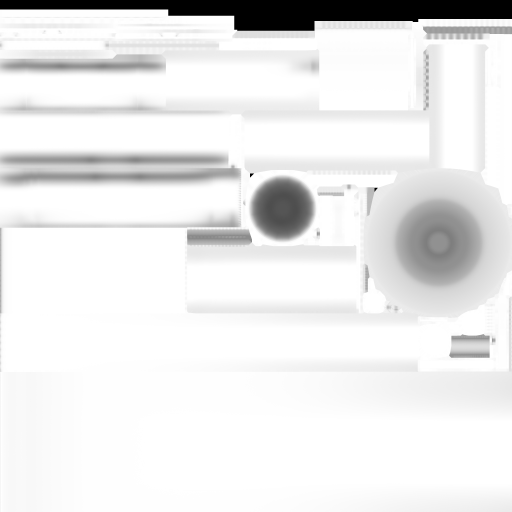
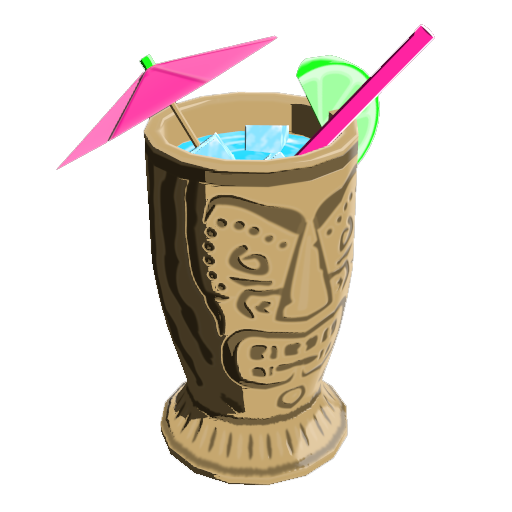
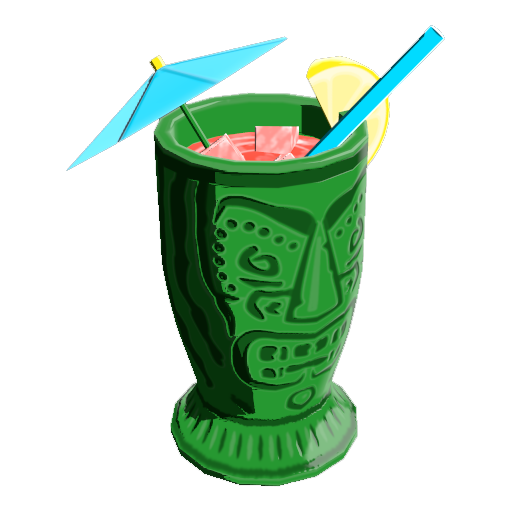
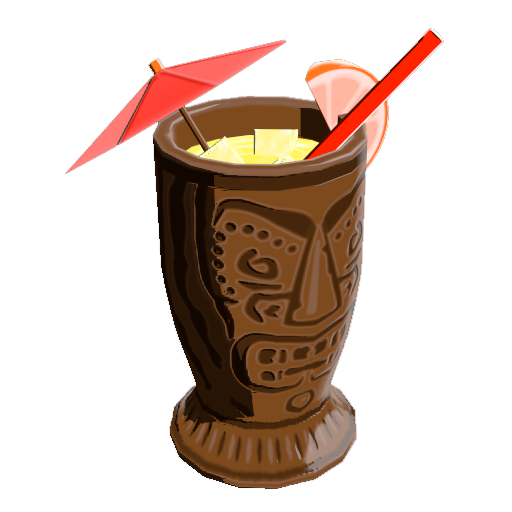
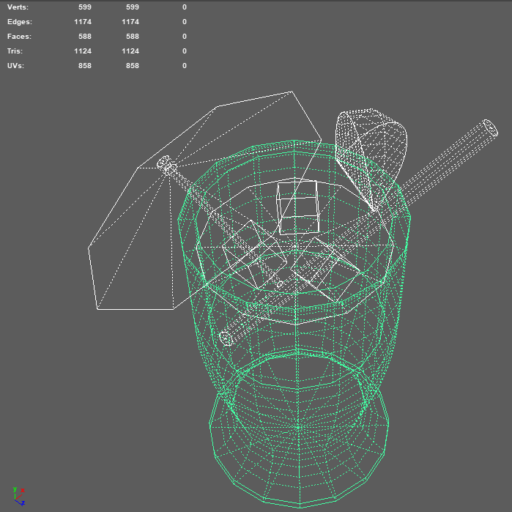
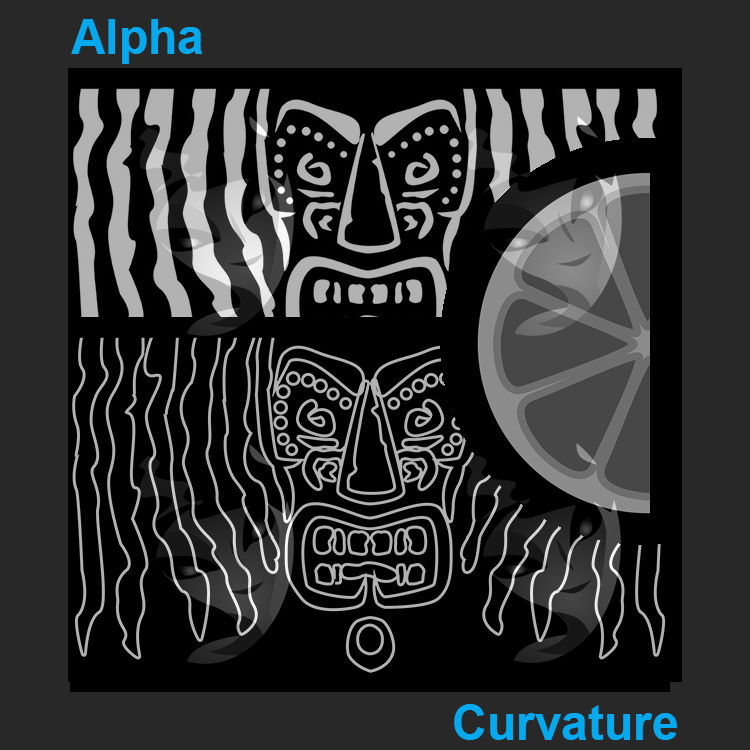
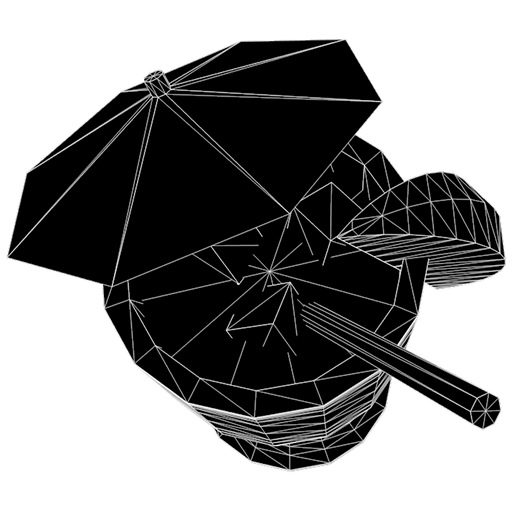
    This asset was textured using a proprietary RGBA PBR shader for Substance Painter and Unity, which limits all surface color to four packed channels. To work within those constraints, I combined a subtle curvature layer with two custom alpha masks to drive grayscale albedo overlays.

    The curvature wasn’t used for stylization. Instead, I applied it selectively to control brightness across specific elements, including the cup’s facial carvings, the frosted surface of the ice, and the lime’s side details. This allowed me to introduce tonal differences and material separation that the shader does not natively support.

    By using curvature to influence the color values, I was able to push more depth, temperature variation, and surface interest into the asset while still remaining inside the shader’s strict limitations. This workflow demonstrates clean problem-solving, efficient texture planning, and the ability to deliver production-ready results for both hard-surface and organic components.

    • Sketchfab version shown with PBR mats.